NEDAwareness Week
National Eating Disorder Awareness week begins on February 21st through the 27th. NEDA (National Eating Disorder Association) wants to invite everyone to See the Change, Be the Change. See the Change is a call of understanding. Be the Change is a call of action. Eating disorders affect about 9% of the worldwide population, illustrating the impact this disorder has on our communities. This week is about bringing awareness to eating disorders, sharing helpful resources, and spreading the message of hope.
What is An Eating Disorder?
According to the American Psychiatric Association, eating disorders are behavioral conditions characterized by severe and persistent disturbance in eating behaviors and associated distressing thoughts and emotions. Everyone has moments where they notice their own eating habits or worry about their weight. It can become dangerous when our relationship with food and our body turns into a fixation. It is important to note that an eating disorder is not a choice. It can be triggered from trauma, mental illnesses, and/or feelings of inadequacy among other reasons.
The different types of eating disorders:
- Anorexia Nervosa
- Bulimia Nervosa
- Binge Eating Disorder (BED)
- Body Dysmorphic (BDD)
- Avoidant/Restrictive Food Intake Disorder (ARFID)
- Pica
- Rumination Disorder
- Other Specified Feeding or Eating Disorder (OSFED)
The three common eating disorders are anorexia, bulimia and binge-eating. Anorexia is a condition in which people have severe food restrictions or starve themselves. Bulimia is a condition in which people purge their food, workout excessively, and/or take laxities to rid the food that was ingested. Binge-eating is a condition in which someone overeats regularly but does not purge their food.
Signs and Symptoms of Eating Disorders
Understanding an eating disorder and signs of one can be extremely complex. Eating disorders like any other disorder are different from person to person. Someone who is an athlete could have an eating disorder. Someone who is a straight As student could have an eating disorder. Someone who is a parent could have an eating disorder. This disorder does not have a particular look, but there are behavior and physical signs that one can look out for.
Emotional/Behavioral signs:
- Weight loss, dieting, and control of food are primary concerns
- Food rituals
- Social withdrawal
- Frequent dieting, body checking
- Extreme mood swings
Physical signs:
- Noticeable weight fluctuations
- Gastrointestinal complaints
- Dizziness upon standing
- Difficulty concentrating, sleeping
- Issues with dental, skin habit, and nail health
Reaching Out
Talking about eating disorders is not comfortable and can often be terrifying. Nonetheless, it is an important conversation to have. One we should have with our children, friends, and family. If you notice signs of an eating disorder in the ones you love, reach out to them. Listen to them and empathize with their struggles. It is also critical not to shame the individual, this is not a disorder that is chosen and it’s important to keep that mind when speaking to someone you think might be struggling with this disorder.
- Speak to the person privately
- Express concerns without judgement
- Keep calm and be respectful
- Explain the moments you noticed a change in their behavior
- Be kind
- Commenting on the person’s body
- Avoid saying “Just stop”. Keep in mind this is not a choice.
- Criticizing their eating habits
- Tricking them or making them eat
The aim of reaching out is to let others know they aren’t alone, and it is possible to recover. It is crucial to act as an ear and possibly give a helping hand in finding the proper resources for recovery.
Resources
Recovery is possible, below are some resources to help with anyone who is struggling with an eating disorder or knows someone struggling with one. All the of the resources given are both sources that are informative and offer services.
Where to go:
- National Association of Anorexia Nervosa and Associated Disorders
- National Eating Disorders Association (Spanish version)
- JED
- National Alliance on Mental Illness
Online Support Groups:
- ANAD – For Teens
- Rock Recovery – For Mothers

Significant Statistics
It is important to note that eating disorders do not discriminate. Many communities are affected by this disorder, and it is critical that we understand important statistics about eating disorders.
- 10,200 deaths each year are the direct result of an eating disorder—that’s one death every 52 minutes.
- About 26% of people with eating disorders attempt suicide.
- BIPOC (Black, Indigenous and People of Color) with eating disorders are half as likely to be diagnosed or to receive treatment
- Black people are less likely to be diagnosed with anorexia than white people but may experience the condition for a longer period of time.
- Hispanic people are significantly more likely to suffer from bulimia nervosa than their non-Hispanic peers.
- Asian American college students report higher rates of restriction compared with their white peers and higher rates of purging, muscle building, and cognitive restraint than their white or non-Asian, BIPOC peers
- Gay men are seven times more likely to report binge-eating and twelve times more likely to report purging than heterosexual men.
- Gender dysphoria and body dissatisfaction in transgender people is often cited as a key link to eating disorders.
- Women with physical disabilities are more likely to develop eating disorders.
- Athletes may be less likely to seek treatment for an eating disorder due to stigma, accessibility, and sport‐specific barriers.
- Body dysmorphic disorder affects 1-3% of the overall population but 13% of male military members and 21.7% of female military members.
- 81% of 10-year-old children are afraid of being fat.
February Recommendations
Please, be wary that these books & films deal with topics that can be triggering. The topics can vary from eating disorders to abuse. It is important to bring awareness to these topics, but it is also important to know one’s limitations and boundaries.
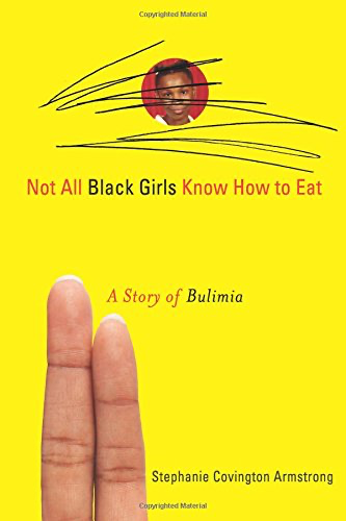
Not All Black Girls Know How to Eat: A Story of Bulimia
By Stephanie Covington Armstrong
In this moving first-person narrative, Armstrong describes her struggle as a black woman with a disorder consistently portrayed as a white woman’s problem. Trying to escape her self-hatred and her food obsession by never slowing down, Stephanie becomes trapped in a downward spiral. Finally, she can no longer deny that she will die if she doesn’t get help, overcome her shame, and conquer her addiction to using food as a weapon against herself.
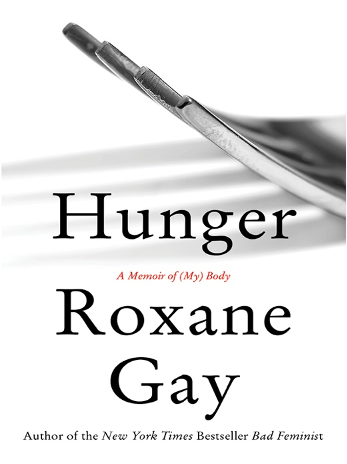
Hunger
By Roxane Gay
As a woman who describes her own body as “wildly undisciplined,” Roxane Gay understands the tension between desire and denial, between self-comfort and self-care. In Hunger, she explores her past—including the devastating act of violence that acted as a turning point in her young life—and brings readers along on her journey to understand and ultimately save herself.
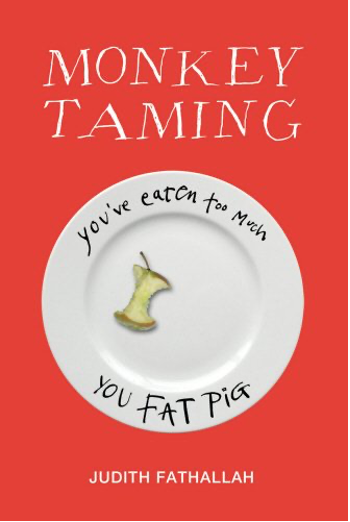
Monkey Taming
By Judith Fathallah
When Jessica was thirteen years old, she met the Monkey.
The Monkey lived inside her: a driving, fiery voice telling her that thinness was the only way. The only way to be safe, to be good, to be acceptable and above all, to escape from the cold, looming threat of approaching adulthood. Jessica listened to the Monkey, and it consumed her.
This is the illuminating story of a teenage girl’s wanderings in darkness: the spiral down into madness, the terrible realities of an adolescent psychiatric unit, and the stark choice that she must either tame her monster – or die.

Nothing
By Robin Friedman
For high school senior Parker Rabinowitz, anything less than success is a failure. A dropped extracurricular, a C on a calc quiz, a non-Jewish shiksa girlfriend―one misstep, and his meticulously constructed life splinters and collapses. The countdown to HYP (Harvard, Yale, Princeton) has begun, and he will stay focused.
That’s why he has to keep it a secret.
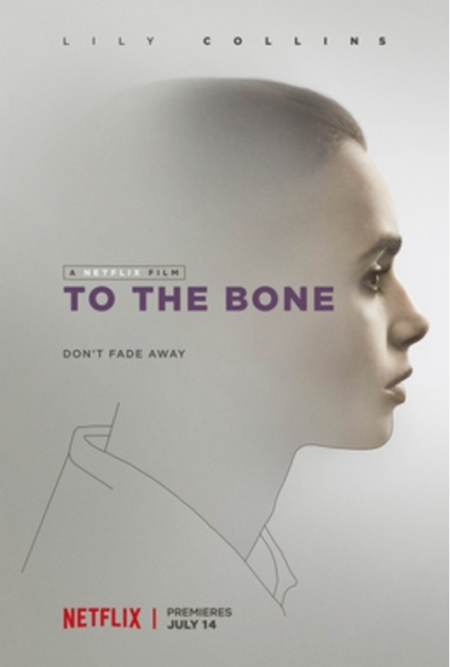
To The Bone
Written & Directed by Marti Noxon
Trigger Warnings: Graphic depictions of eating disorders, profanity, alcohol, drugs & smoking
Ellen is a 20 year old woman struggling with anorexia nervosa. In the midst of family problems and her own fears, she is accepted into a group home run by an unusual doctor. Through the people she meets and the journey she takes, Ellen follows a path of self discovery and acceptance that will lead her to a surprising place she never would have thought possible